On March 6, 2023 tragic death of Irvo Otieno
(oh-tee-in-oh) at the hands of those who were supposed to protect and
serve him took place. The images shocked the world. His homegoing
ceremony took place on March 29, 2023 in Virginia. Rev. Dr. Al
Sharpton spoke at the services, and is actively working with Attorney
Ben Crump to bring justice to yet another tragedy. As of the posting of
this article, it appears there are 10 people who are in custody for
their participation that snatched this young brother from us.
First, however, please note that Mr. Otieno was
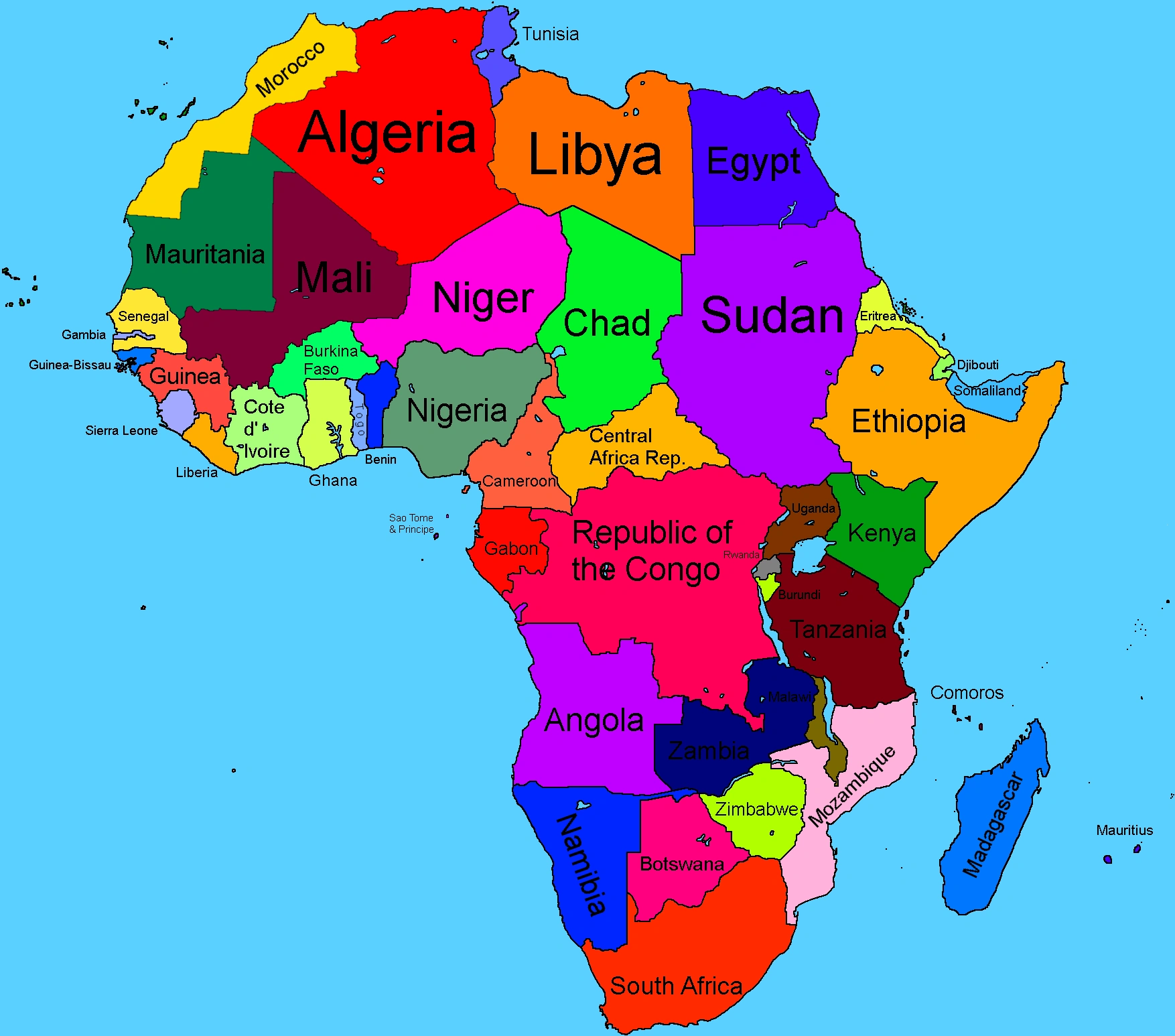
originally from Kenya, East Africa. He came to America with his
parents for a better life. He may have experienced some psychological
challenges during his quest for a better life, which required his being
given professional assistance - but certainly not the kind of brute
force mistreatment - abuse of power - mob mentality - that snuffed out
his life.
Upon first hearing of this brother's death, I
knew from his name that he was Kenyan. I attended college with so many
brothers from the same region he came from, and I knew that it had to be
overkill - because our Kenyan brothers and sisters generally are
positive, peaceful, and generally work together to make things better in
their community, and for those with whom they interact. I immediately
sent up a prayer to his family:
"Usikate tamaa - Mungu Itakubariti, sasa."
Which means, in my rough Swahili means "Do not despair, God will bless
you now." And then later learn that the Rev. Al Sharpton and Attorney
Benjamin Crump will be working with his mother, Ms. Caroline Ouko
(Oh-oo-koh), who is bravely trying to comprehend how so many things
could have turned out so tragically in a country where they had come to
realize their dreams.
Black Women For Positive Change, an African
American Women's proactive organization, recently sent a letter of
support of Congresswoman Gwen Moore (D/WI) De-escalation Bill H.R. 4324,
which she originally introduced in 2018. It is apparent now, more than
ever before, the kinds of training and protocols must be put in place
to prevent and mitigate any future recurrences. The difference between
criminal law enforcement and de-escalation of disturbed individuals,
who are seen through the lenses of race, ethnicity, economy and
geographics, has literally become a matter of life and death. So, as
the Rev. Al and Attorney Crump begin the arduous road to just for
another victim, we also have our role to play in making sure the
De-escalation bill is passed, that when an individual in or family or
community appears to be suffering from psychotic stress, call social
service agencies before you call the police - or call them
simultaneously, with the understanding that the issue is a mental
situation, not a criminal one. Also, if you do have a family member or
friend who is suffering from mental illness, don't sit in denial - help
them get the treatment and therapy they need. NAMI - the National
Alliance on Mental Illness, has thousands of non-stereotypical resources
to help you and your loved one or family member through these
challenges. Rather than allowing it to progress to crises mode, first
you pray for them, then you get them the right help and treatment so
that these abuse of power scenarios no longer occur. Anyone can have a
stressed day - it should not lead to the loss of their life at the hands
of miscreants.
Right now, we must hold this family in prayer.
STAY BLESSED
Gloria DULAN-Wilson
NOW THAT YOU KNOW
WHAT ARE YOU GOING TO DO ABOUT IT?
---------- Forwarded message --------- From: BLACK VIRGINIA NEWS<blackvirginianews@substack.com>
HENRICO, VA —
The funeral of Irvo Otieno took place yesterday at First Baptist Church
in Chesterfield yesterday. Otieno died in police custody on March 6 as
he was being moved from
The Office of the Commonwealth’s Attorney for Dinwiddie County, headed by Ann Baskervill,
has charged ten people in Otieno’s death, including sheriff’s deputies
and hospital employees at Central State Hospital, a state-run mental
health hospital in Petersburg. The Otieno family has hired two
attorneys: Mark Krudys and Ben Crump. A multi-million dollar wrongful
death lawsuit is all but certain to follow.
Richmond
City Council President Dr. Michael Jones, former Richmond Mayor Dr.
Dwight Jones, attorney Ben Crump and attorney Mark Krudys at First
Baptist Church in Chesterfield, Va.
“We
can develop mental health courts where they will be treated like they
have illness and not like they are criminals and degenerates not worthy
of dignity and respect,” attorney Ben Crump said at Otieno’s funeral
during his remarks.
SUBSCRIBE. “One had better die fighting against injustice than die like a dog or a rat in a trap.” —Ida Wells. Send your press releases, submissions, tips, pitches, comments and corrections to BlackVirginiaNews@gmail.com.
ECLECTICALLY BLACK NEWS: I just love this - I came across this blurb, and had to re-post it. It's something I've been advocating for quite some time - especially since Kenya announced a law against the use of Plastic. I even sent a link to the Kenyan Embassy showing how to transform plastic waste into useful marketable products as a cottage industry - Thus far, however, I've had no response or indication that they even considered the concept.
So imagine my surprise when i came across this wonderful bit of news. Which is why I'm sharing it with you.
KENYAN SCIENTIST HOPE MWANAKA Transforms Plastic Waste into Building and Plumbing Materials
The scientist manufactures roof tiles and other construction materials from plastic and glass waste in Kenya.
Hope Mwanake understands the plastic pollution crisis facing Kenya better than most. An environmental
scientist who ran a waste collection service in Kenya's central town of
Gilgil, she witnessed first-hand the mountains of plastic buckets,
bottles and jerrycans discarded by residents, hotels, shops and schools.
"We were just dumping all the plastic in the landfill. It didn't make
sense. We knew there had to be a better way," said Mwanake, 30, at her
factory on the outskirts of Gilgil, 120km (75 miles) north of the
capital Nairobi.
"We wanted to do something with all this plastic waste, and after a
lot of brainstorming, research and experimenting, we came up with a
value-added product with market demand that would also help to reduce
all this plastic in the environment."
Along with business partner and fellow environmental scientist Kevin
Mureithi, Mwanake founded "Eco Blocks and Tiles" in 2016. It is the
first company in Kenya to manufacture roof tiles and other construction
materials from plastic and glass waste.
The tiles are more durable, lighter, and easier to transport and
install than concrete or clay tiles. They are also safer for rainwater
collection but are available at a similar cost.
Through word of mouth, promotions in hardware stores, and social
media posts, the startup has attracted dozens of homeowners and small
businesses this past year.
The company has also gained support from the Kenyan government, which
is promoting the use of sustainable greener materials as part of
efforts to reduce carbon emissions generated from the east African
nation's construction industry.
"With the growing population, expanding urban fabric, commitment to
provide affordable housing in Kenya and net-zero carbon buildings by
2050, such products have a potential market," said Kenya's National
Construction Authority (NCA).
Pollution is also a concern, so repurposing plastic to build is a "win-win", the NCA added in a statement.
Plastic porridge
A million plastic drinks bottles are bought every minute globally, says the United Nations. Nearly a third of plastic packaging escapes waste collection systems,
and at least eight million tonnes of plastic leak into the oceans each
year, smothering reefs and threatening marine life.
Plastic also enters water supplies and the food chain, where it could harm people in the long term, according to the UN.
A global fightback is gearing up - Kenya has banned plastic bags, and
other countries are targeting straws or Styrofoam - yet
environmentalists say much more change is needed.
With Kenya producing more than three million tonnes of waste per year
- of which only eight percent is recycled -
scientists-turned-entrepreneurs Mwanake and Mureithi felt something had
to be done. "We examined the properties of plastic and glass, and then we
literally cooked empty shampoo and vegetable bottles in a big drum and
mixed the molten polymer with sand crushed from glass waste," said
Mwanake. "It looked like a strange porridge, but once placed in moulds and cooled, we found we had a very strong and durable product."
Since the pair set up the company, they have tapped crowdfunding and
attracted grants from organisations such as United Kingdom packaging
firm Mondi and Netherlands-based VIA Water. Commercial production of the ecotiles began in 2018.
Each tile is priced at 850 Kenyan shillings ($8.50) - equivalent to the price of concrete or clay tiles. An average three-bed house requires 1,000 to 2,000 tiles.
The company employs four permanent staff and supports scores of
community garbage collectors by purchasing their raw material - plastic
and glass waste chucked by Gilgil's residents. So far, they have turned more than 56 tonnes of plastic waste into 75,000 tiles for 30 homes and businesses.
Saving forests, too
Coffee shop owner Julia Tatton didn't hesitate when she saw the plastic roof tiles on display outside her neighbor's store. "These tiles are going to last forever and are going to outlive me
for sure," she said. "They actually work out cheaper as they are lighter
than clay tiles, so you actually save money on the wooden support
required to hold them in place."
Customers save up to 40 percent on wood when using ecotiles, said
Mureithi, noting that this to the benefit of their wallets and the
forests.
The ecotiles are also helping Kenya's booming construction industry
cut its carbon emissions by providing more green and sustainable
alternatives to concrete tiles. Cement, a key ingredient of concrete, releases five to eight percent
of total global greenhouse gases during its manufacturing, according to
the Global Cement and Concrete Association, a non-profit organisation.
As governments and companies look to cut planet-warming emissions, in line with the 2015 Paris Agreement goals to limit global temperature rise to "well under" two degrees Celsius (3.6 Fahrenheit), finding ways to "green" construction is key.
Mwanake said it was vital to boost visibility and awareness to grow
her business, as many Kenyan consumers had a negative view about
eco-friendly, recycled products. "Unlike in Western countries where labelling a product as
'eco-friendly' is considered a positive by consumers and it is quickly
snapped up, in Kenya it can be seen as a negative ... as if the product
is of lower quality," said Mwanake. "That view is slowly changing, but it is taking time," she said. "We know there is a market. We just have to reach it."
It's a wonderful step in the right direction. It is going to take some re-education on the part of the Kenyan government to bring people into alignment with the necessity for recyclable and green products. It is something that can benefit Africa and the diaspora across the board. It is something that should be underwritten by the different countries in Africa, because it could be cross-financed and make a major difference in the provision of decent, quality affordable homes in Africa. We applaud the Ms. Mwanaka's efforts, and wish her success in the expansion of these products. NOW THAT YOU KNOW WHAT ARE YOU GOING TO DO ABOUT IT? Stay Blessed & ECLECTICALLY BLACK Gloria Dulan-Wilson
The
evidence is more and more compelling that our ties between ourselves,
the Diaspora, and our Motherland, Africa, are strengthening and growing
more and more solid. As a result, we have to become more and
knowledgeable about the issues and opportunities that exist or are
potential between us - especially since every other force on the planet
is trying hard to keep us apart, separated, ignorant, victimized and
poor.
We are coming up on the 400th year of our captivity and kidnapping from Africa, our enslavement, and the first ship landing on American soil in 1619. The fact is those ships of horror historically have already left African shores with our precious ancestors stacked on top of each other, or thrown overboard. We had actually begun our initial reunification in the 1920's, thanks to the wisdom, knowledge and insight of Marcus Garvey - but the effort was stopped by the combined efforts of British and American forces (the same forces that enslaved us to begin with) coming together and conspiring to sink our ships, incarcerate our leaders, and break up the relationship between Africa and African Americans by telling each of us lies about the other. The second major effort of reunification between Africa and African Americans came in the 60s during the Black Power Era, when we truly began to return to our African roots. We started truly returning to our African roots by wearing natural hair, Afrocentric clothes, making movies, writing books, poems, and making pilgrimages to the Motherland to trace our African roots. We changed our names to reflect wherever we thought we came from, learned African dances and traditions, and made plans to repatriate to our homeland and build our homes and our futures there. We even demanded that African and African history be taught in the schools so our children would not continue to be whitewashed.
Sekou Toure - Guinea
Stokeley Carmichael
First Black Model with Afro
Kwame Nkruman
The upshot of the whole thing is the deliberate destruction of our relationship - via the so-called "Cold war" between Russia and the US - something Africa had absolutely nothing to do with - by fighting it out on African soil. Subsequently, while Africa was aggressively shedding her colonial monsters - they had the audacity to try to claim that Africa owed them money for their seizure of her lands and the subjugation of her people. Coming into the 21st Century there has been a resurgence of African/African American relations - aided in large part by technology - internet, cell phones, overthrow of despotic colonial dominated leaders - and the progress was such that, once again conspiracy has raised iit's ugly head - via the new Chinese invasion to siphon off African autonomy via pseudo building of properties that are not reflective of African needs or wants.
But this time, something is new - African Americans and Africans are more in tune with each other and collaborating with each other than ever. Perhaps it's in part because the first Black president of the US is also of African Heritage (Kenyan); but it's more likely that there has been growing interest in Africa long before the 2016 election, with increased travel between the US and the Continent - making the roots deeper and more solid that ever before. Both Africans and African Americans have been victims of a common enemy - and suffer from "post traumatic slave/colonization shock syndrome" (yeah, I just came up with that).
But we also share a resiliency and a determination to not remain under the foot of ignorance or oppression - and the opportunities are now even greater for the regeneration of a full fledged successful, progressive amalgamation of our ingenuity, skill, creativity and talent. This time we cannot afford to be caught on the late show. We cannot be ignorant of this wonderful opportunity to ensure our and our children's futures. Interestingly enough the movie "Black Panther" - a work of science fiction (fact) has reawakened our nascent African affinity on many levels. While there had already been some stirrings among African Americans, this movie has catapulted our interests in the possibilties 1000%.
Black Panther's WAKANDA started a Paradigm Shift
Whites - especially the New York Times - are already smelling the possibilities and our progress and have started staking their claim - Ghana, Nigeria, Kenya, South Africa - are all in their gun sites - just to mention a few. If they know this, we should be so far ahead of the curve that they will be trailing behind us. This may be our last opportunity for reunity. We cannot afford to be weighed in the balance and found wanting. If we are going to celebrate the 400th Anniversary of slave ships coming to the US, it should be by the reverse, with as many of her descendants having a pivotal interest in the Motherland from which they were stolen. The time to start is now; the ones to do it is us. This is an effort at a wake up call - regardless of what your educational or financial level. This s our time to not be on the late show.
NOTE: Please be advised that when I say Diaspora, I mean all Black descendents of African Heritage - USA, South America, Haiti, the Caribbean - wherever those ships landed and dropped us off - i.e., ECLECTICALLY BLACK PEOPLE!!
Stay Blessed & ECLECTICALLY BLACK Gloria
Black Press Business/Economic Feature Week of July 26, 2018 By William Reed
Back to Africa
Former US President Barack Obama went to his ancestral home in Kogelo Village, Kenya. Obama’s grandmother lives in Kogelo where he danced at the opening of a youth center launched by his half-sister Auma Obama's Sauti Kuu Foundation.
The first Black American president is leading what’s expected to be Black families and descendants back to Africa. A son of Africa, Obama’s primary gig in Africa was Johannesburg to give the 2018 Nelson Mandela Annual Lecture. In reality, Obama’s appearance was made in partnership with the multi-billion dollar-endowed Motsepe Foundation. Obama’s benefactor, Dr. Patrice Motsepe is founder and chairman of African Rainbow Minerals and one of Africa’s Black billionaires. Celebrity Net Worth reports that both Barack and Michelle Obama’s net worth as $40 million. Both are examples of the up-and-coming contemporary African in the Diaspora.
The requested action is “Send money back to Africa.” The continental African Union (AU) union consists of all 55 countries on the African continent. The Diaspora is an AU ambassadorial post to "invite and encourage the full participation of the African Diaspora as an important part of our continent, in the building of the African Union". The African Diaspora are people who were enslaved and shipped to the Americas via the Atlantic slave trade between the 16th and 19th centuries, with their largest populations in Brazil, the United States and Haiti. The AU defines the African Diaspora as consisting: "of people of African origin living outside the continent, irrespective of their citizenship and nationality and who are willing to contribute to the development of the continent".
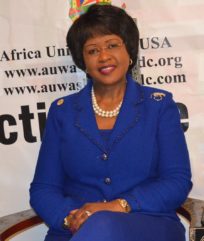
Her Honor Arikana Chihombori-Quao - President of the African Union
Thirteen million Africans were shipped to the New World; 10.7 million survived the Middle Passage disembarking in North America, the Caribbean and South America. Large numbers of Diaspora Blacks live and work in high-income countries and among prosperous populations. Most Diaspora members' incomes are modest by the standards of rich nations, and their savings might seem meager in the world of development funding, but collectively they can add up to staggering amounts of money. Worldwide, African Diaspora members have accumulated an estimated US$53 billion in savings ad remittances.
Mounds of opportunity exist in the African Diaspora. Moving cash within Africa is an untapped opportunity for money transfer. Remittances to sub-Saharan-Africa rose to $37.8 billion in 2017. The development potential for Africa's Diaspora is “in human capital" of knowledge and expertise gained while working abroad. The World Bank and other development partners say that the total money transfers by African migrants to their region or country of origin grew to $35.2 billion, in 2015.
We should think Blacks of the Diaspora share values, interests and heritage. The Diaspora’s Blacks could all get rich by connecting and working together. According to the AU, links between the African Diaspora and African development are already happening. Diaspora members already invest in real estate, entrepreneurial businesses, and capital markets. Sometimes they pool their money with friends or form an investment consortium.
Merging of the mindsets and monies of Africans of the Diaspora is the AU’s goal. Blacks can be Diaspora benefactors by matching keen entrepreneurial sensibilities, strong cultural ties to partners in the ancestral homeland. Africa’s Diaspora accumulates an estimated US$53 billion every year.
The African Union Commission is seeking to implement the African Continental Free Trade Agreement (CFTA). The African Continental Free Trade Agreement is a noteworthy achievement in African diplomacy, trade, and economic development. The CFTA has the potential to cover 1.2 billion people and over $4 trillion in combined consumer and business spending. The CFTA opens the continent to new investors and better opportunities for its entrepreneurs.
Dr. Arikana Chihombori-Quao, a Ghanaian national (from Zimbabwe), is the Permanent Representative of the African Union Representational Mission to the United States of America. She recently invited the Deputy Chairperson of the African Union Commission, Quartey Thomas Kwesi to Washington to discuss next steps for implementing the African Continental Free Trade Agreement (CFTA). The African Continental Free Trade Agreement (CFTA) is a noteworthy achievement. A groundbreaking achievement in African diplomacy, trade, and economic development the CFTA has the potential to cover 1.2 billion people and over $4 trillion in combined consumer and business spending opens up the continent to new investors and better opportunities for its entrepreneurs. Intra-African trade is expected to skyrocket, and with it, industry and manufacturing. At the same time, the agreement introduces opportunities to re-approach existing trade relationships, like the African Growth and Opportunity Act (AGOA), to make trade more beneficial for all.
William Reed is publisher of “Who’s Who in Black Corporate America” and available for projects via Busxchng@his.com


 by Paulette Shipman-Singleton
 RELATED:


 Send your press releases, submissions, tips, pitches, comments and corrections to